What Is a "Hotchpot" Clause in New Zealand Will and Estate Planning?
When someone passes away, an incredibly common question for families is whether financial assistance or significant gifts given during their lifetime should be taken into account when distributing their estate.
In New Zealand, the legal answer is not automatically.
Without explicit instructions in the Will—or clear evidence that the deceased intended the gift to be treated as an advance on inheritance—a significant lifetime gift will generally remain just that: a gift.
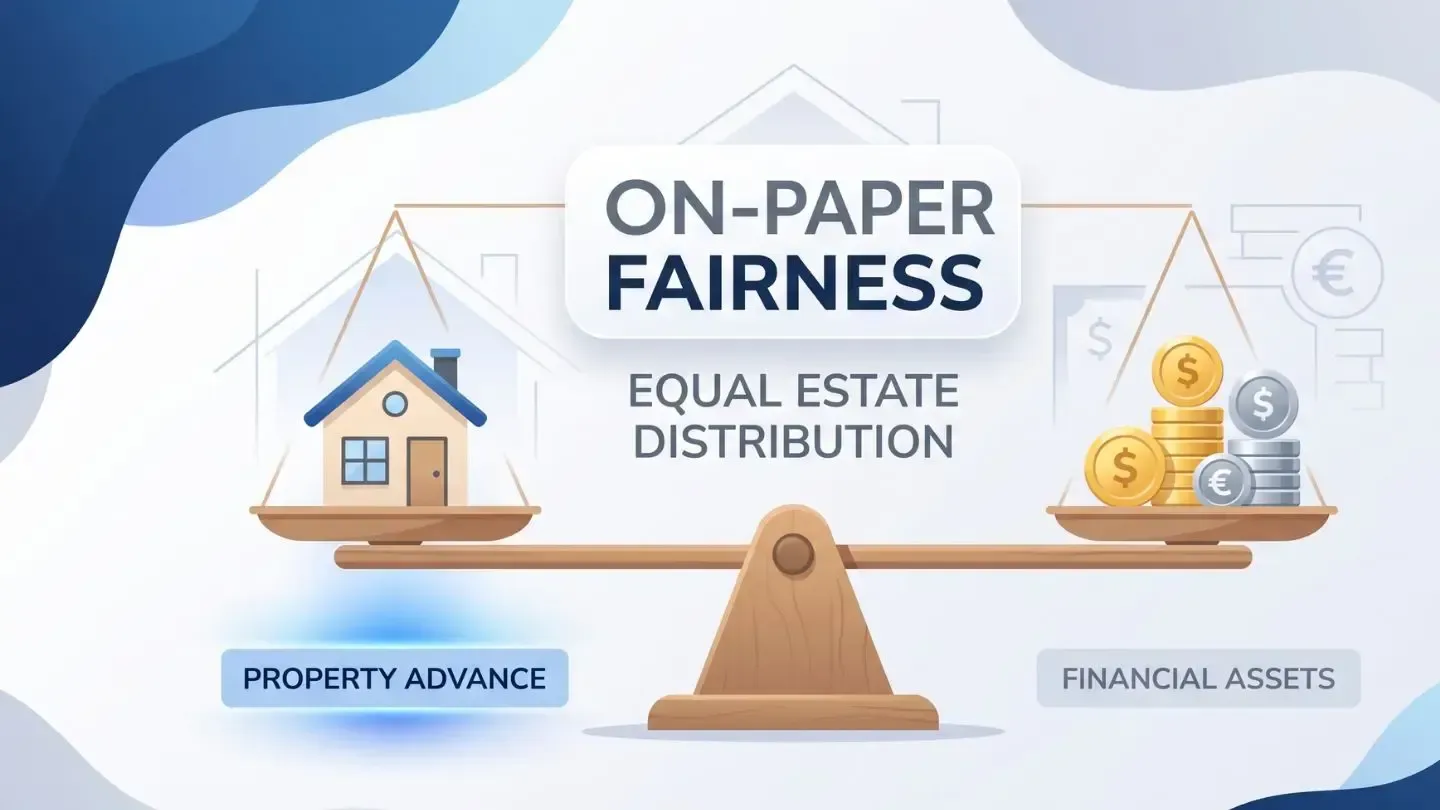
However, a Will may include what is known as a hotchpot clause. Simply put, hotchpot is a legally binding method of promoting fairness between beneficiaries where the deceased intended significant lifetime advances to be brought into account when distributing their final estate.
How Does a Hotchpot Clause Work?
The key thing to understand is that the gift itself is never physically returned to the estate. Instead, its exact value is added back "on paper" when calculating how the remaining estate should be fairly divided among the beneficiaries.
A Practical Example:
- John has two children, Emma and Daniel.
- His Will provides that his estate is to be divided equally between them and includes a hotchpot clause applying to significant lifetime advances.
- During his lifetime, John gave Emma $100,000 to help her purchase her first home. Daniel did not receive a similar gift.
- When John passes away, his remaining physical estate is worth $900,000.
For the purpose of calculating each child's fair entitlement:
- Estate remaining: $900,000
- Lifetime advance (Emma): $100,000
- Total value for calculation purposes: $1,000,000
Based on this total pool, each child is entitled to $500,000. Because Emma has already received her $100,000 advance during John's life, she receives $400,000 from the remaining estate. Daniel receives his full $500,000 payout from the estate.
In the end, total fairness is achieved because both children have received overall benefits worth $500,000.
Does Every Small Gift Count as an Advance?
No, absolutely not. Ordinary birthday or Christmas presents, or modest everyday financial assistance, are generally never treated as advances against a final inheritance.
More importantly, larger significant gifts are not automatically brought into hotchpot simply because they occurred during the deceased's lifetime. Whether they are taken into account depends entirely on:
- The clear intention of the deceased.
- The specific wording inside the Will.
- Any documentation showing that the payment was intended to be an advance on the beneficiary's inheritance.
Why Should You Include a Hotchpot Clause in Your Will?
- A properly drafted hotchpot clause by an experienced estate lawyer can:
- Promote absolute fairness between your children or beneficiaries.
- Formally recognize significant financial assistance already provided during your life.
- Significantly reduce the likelihood of bitter family inheritance disputes.
Provide clear, stress-free guidance for your executors when administering the estate.
It is an incredibly useful tool for modern New Zealand parents who have helped one child purchase a home, establish a local business, or receive other substantial financial assistance throughout their lifetime.
How We Can Help
If you have provided significant financial assistance to a family member during your lifetime, it is crucial that your Will clearly and legally records whether that assistance is intended to be an advance on their final inheritance.
Our dedicated Wills and Estates team at Weston Ward & Lascelles Ltd can advise you on whether a hotchpot clause is appropriate for your unique family circumstances and help ensure your wishes are carried out exactly as intended.
Legal Services