New Granny Flat Rules In New Zealand (2026): The Ultimate Guide To Avoiding Costly Pitfalls
Building a small, detached secondary dwelling—commonly known as a granny flat—just got a lot easier in New Zealand. Following major regulatory reforms that kicked off on 15 January 2026, the government has slashed some of the red tape that used to hold these projects back.
However, these changes are widely misunderstood. There is no blanket "right to build" whatever you want, wherever you want. The new regime creates a very narrow, highly conditional exemption pathway under both building and planning law. If you miss even one detail, you could end up with an illegal build, insurance issues, or a hefty fine from the council.
Let's break down exactly what the new 2026 granny flat rules mean for Kiwi property owners, and the hidden traps you need to look out for.
Understanding The New Rules: The Two Exemption Pathways
To build a granny flat without traditional consents, your project must clear two completely separate legal hurdles: building law and planning law. Clearing one does not automatically mean you clear the other.
1. The Building Consent Exemption
Under the 2026 rules, you can build a new, single-storey, stand-alone dwelling up to 70m² without needing a standard building consent. However, you only qualify if you meet these strict criteria:
- Size And Structure: The unit must be brand new, completely detached from the main house, and strictly single-storey.
- Code Compliance: The design must be simple and fully compliant with the New Zealand Building Code.
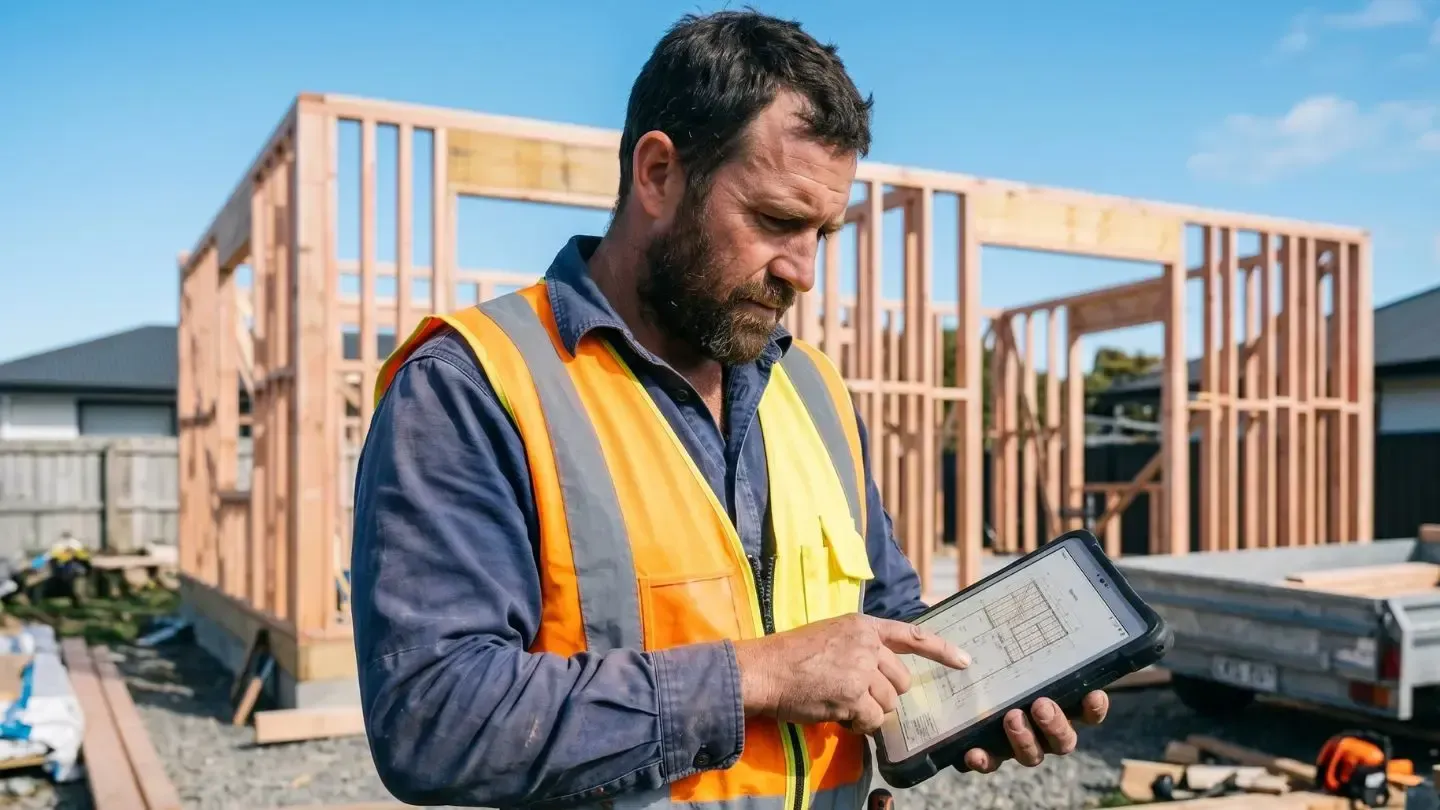
- Licensed Pros Only: The work must be carried out or supervised entirely by Licensed Building Practitioners (LBPs).
- The Paperwork Trail: You must obtain a Project Information Memorandum (PIM) from your local council before you start building. You also must notify the council both before and after construction, providing full completion documentation.
2. The Planning And Resource Consent Exemption
At the same time, the National Environmental Standards for Detached Minor Residential Units 2025 (NES-DMRU) makes one compliant granny flat a "permitted activity". This means you do not need a resource consent, provided your unit strictly complies with national district planning standards.
The Golden Rule: Just because you don't need a formal consent ticket doesn't mean you can skip the rules. Full compliance with the New Zealand Building Code is still 100% mandatory.
The Hidden Trapdoors: Key Pitfalls To Avoid
The absolute biggest risk with the 2026 rules is assuming "no consent" means "no rules". Here are the most common traps homeowners are currently falling into:
Confusing Building Law With Planning Law
Your design might perfectly meet the 70m² building consent exemption, but completely fail council planning rules. Local council boundaries, boundary setbacks, site coverage limits, heritage protections, and natural hazard overlays (like flood zones) can all instantly trigger the need for a resource consent.
The DIY Misconception
This is not a green light for weekend warriors to build a DIY kitset. Because the work qualifies as restricted building work, you must use licensed professionals. Owner-builders cannot bypass this requirement under the exemption rules.
Trying To Convert Existing Structures
The 2026 exemptions only apply to brand-new, stand-alone builds. You cannot use these rules to legally convert an old garage, unconsented sleepout, or existing farm outbuilding into a self-contained flat. Those still require standard consenting pathways.
Design Features That Disqualify You
If you want a trendy loft, a second storey, heavy architectural cladding, or highly complex plumbing layouts, you will likely automatically disqualify the project from the exemption. Keep it simple, or prepare for the traditional consent route.
Private Legal Roadblocks
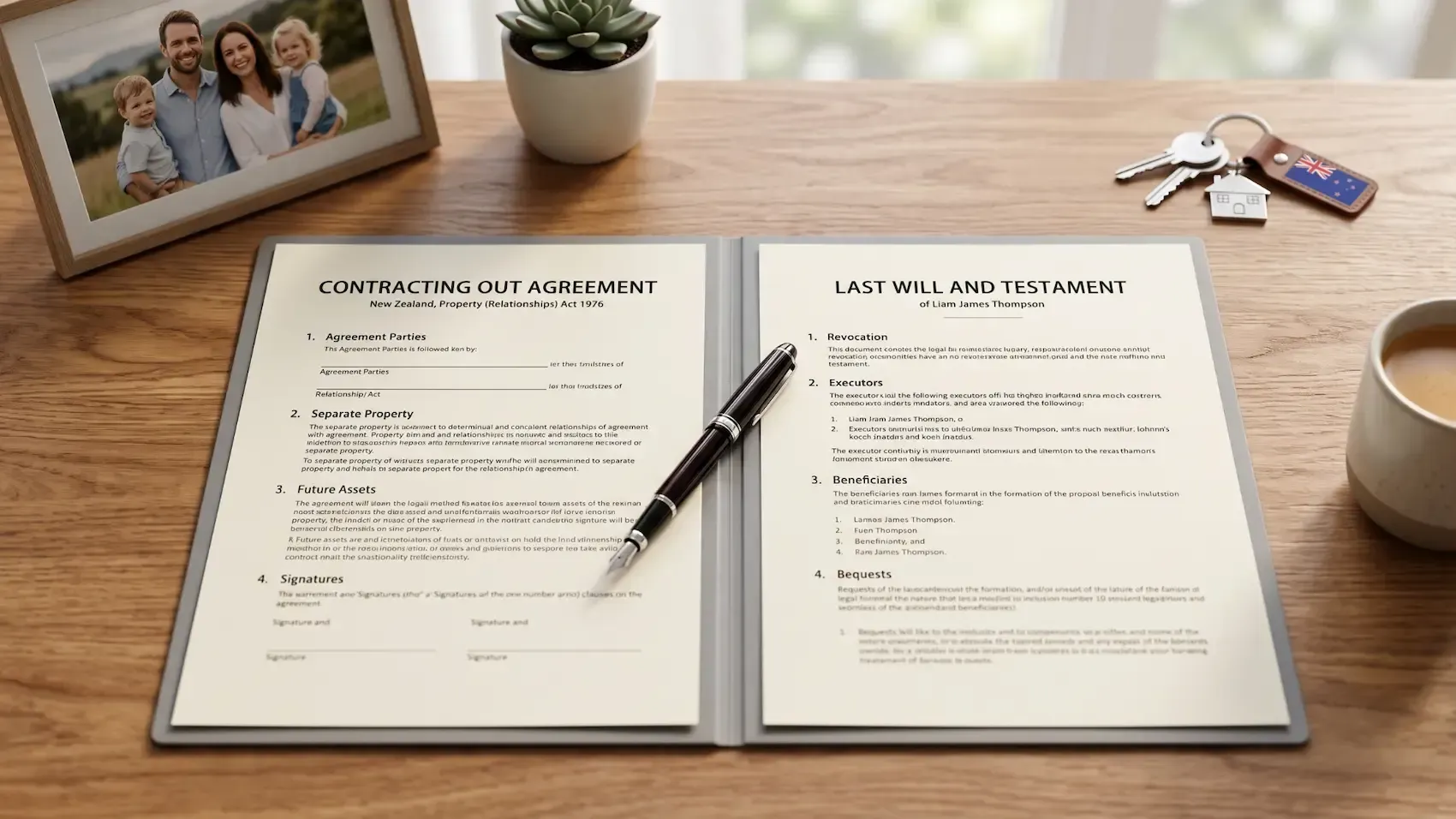
Even if the council says you are good to go, your property's certificate of title might say otherwise. Land covenants, consent notices, easements, cross-lease rules, unit title regulations, and even your bank's mortgagee requirements can completely restrict you from building a granny flat.
Underestimating The Real Costs
While you will save money on building consent fees, a granny flat is far from free. You still face significant costs for:
- Council PIM application fees.
- Development contributions (tariffs councils charge for adding demand to local infrastructure).
- New utility and service connections (power, water, wastewater).
- Future rates increases.
Practical Implications For Buyers, Sellers, And Homeowners
Because routine council inspections and standard Code Compliance Certificates (CCC) are bypassed under this exemption, the legal risk shifts entirely onto the property owner and the building professionals involved.
- If You Are Buying: Always conduct deep due diligence on any property with a post-2026 granny flat. You need to see a flawless paper trail proving the build met every single exemption requirement at the time of construction.
- If You Are Selling: Keep a meticulous compliance trail. If you cannot prove your granny flat met the narrow exemption criteria, it will be treated as unconsented work, which can tank your sale or delay settlement.
- Insurers And Banks: New Zealand banks and insurance companies are being incredibly strict. Before they lend money on a property or insure a new minor dwelling, they will require robust, professional evidence of compliance.
The Bottom Line: Do Your Homework First
The 2026 rules have opened a fantastic, cost-effective pathway to add space for extended family or generate extra rental income. But it is a narrow door.
Before you order a minor dwelling or pick up a hammer, protect your asset. Talk to a Licensed Building Practitioner, request a PIM from your local council, and check your land title for covenants. A little bit of homework now will save you a massive legal headache later.
Legal Services